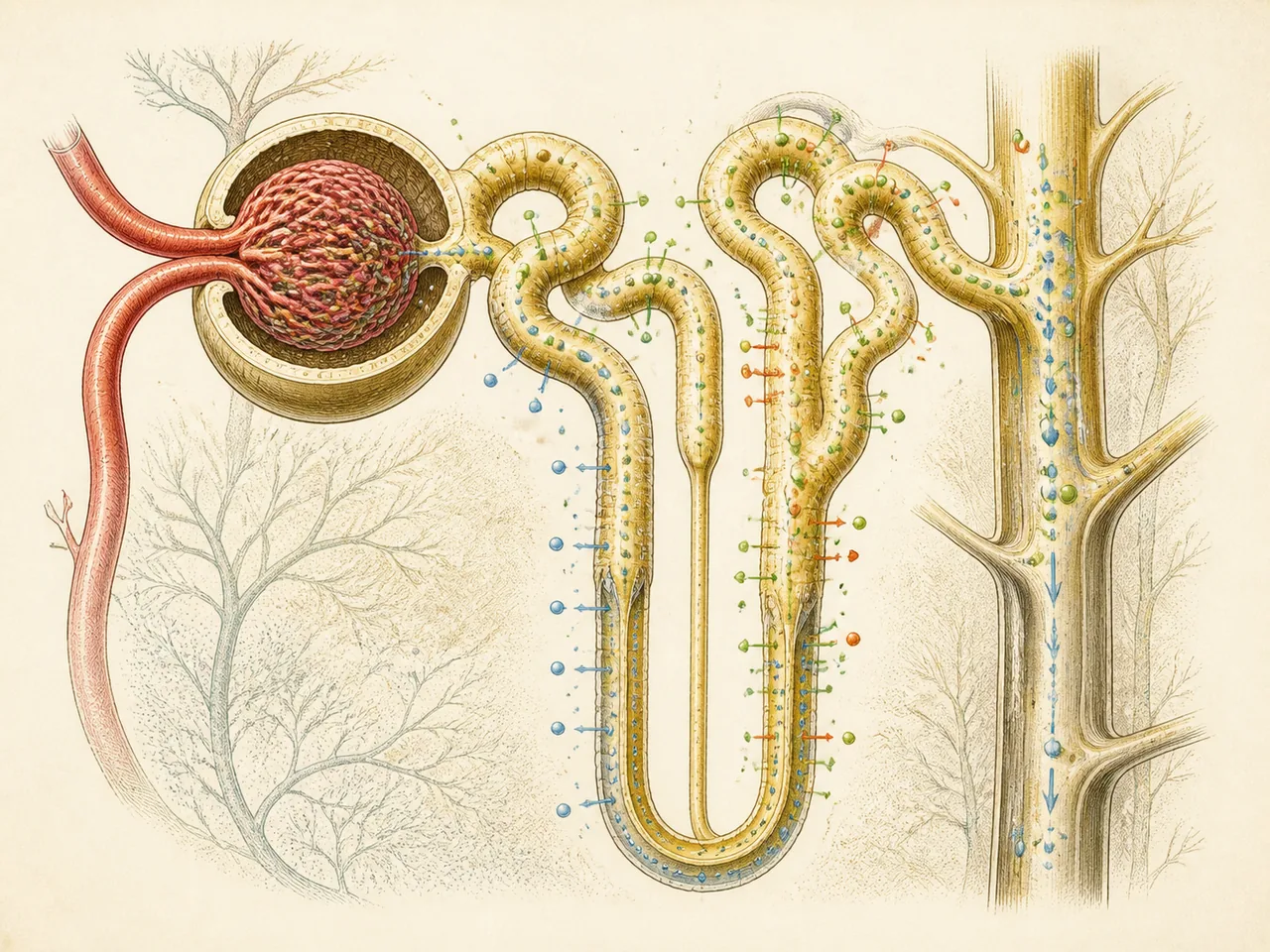
Nephron Explorer: Filtration and Reabsorption
Follow the glomerulus, Bowman's capsule, and renal tubule to see where filtration and reabsorption occur.
Read introduction →Free online teaching resources
Start with a teaching question. Find a model, virtual experiment or classroom activity, read its teaching suggestions and open the resource.
Follow the glomerulus, Bowman's capsule, and renal tubule to see where filtration and reabsorption occur.
Read introduction →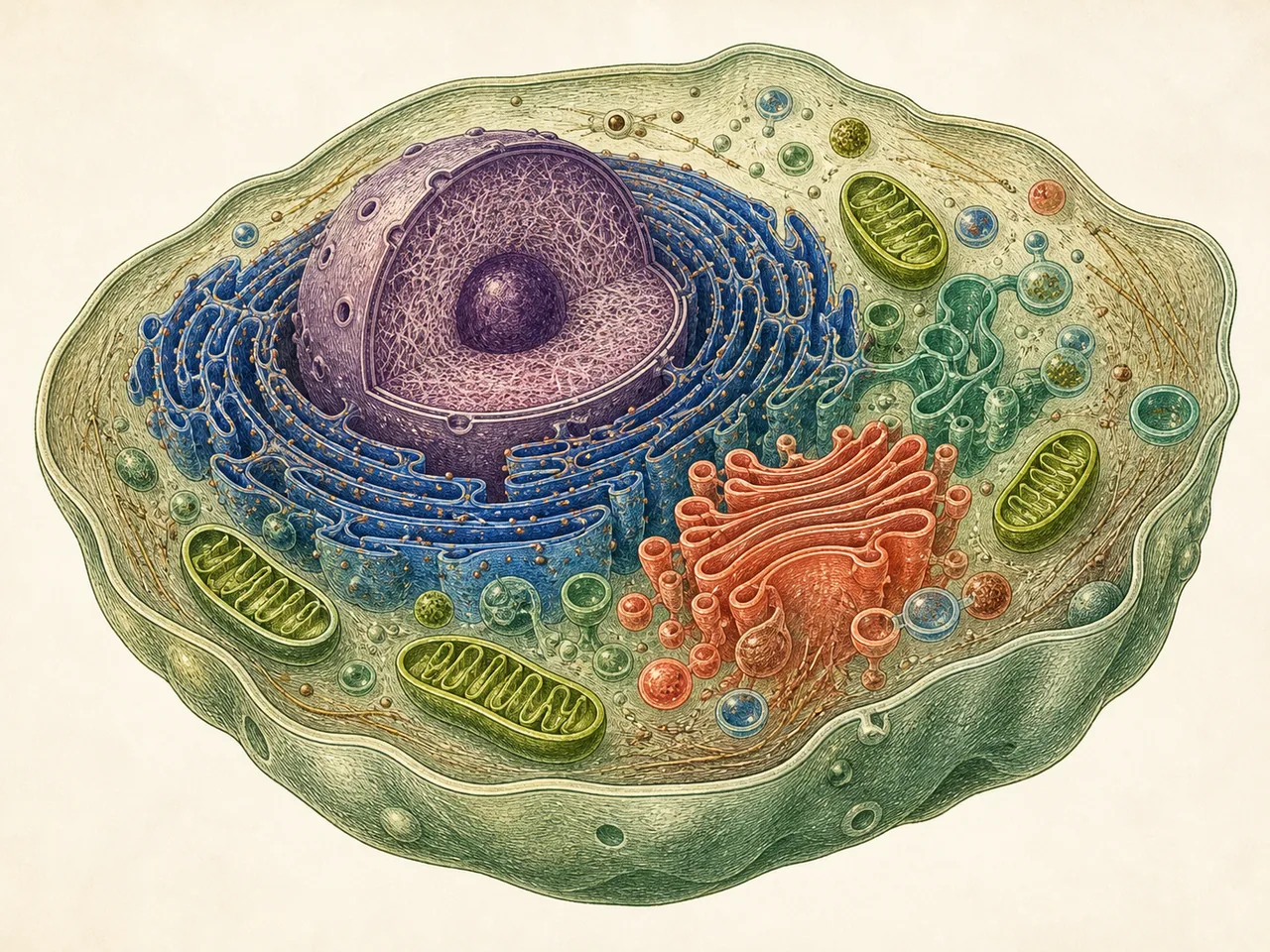
Recognize the same organelle across different drawings and group matching cards in a three-card matching game.
Read introduction →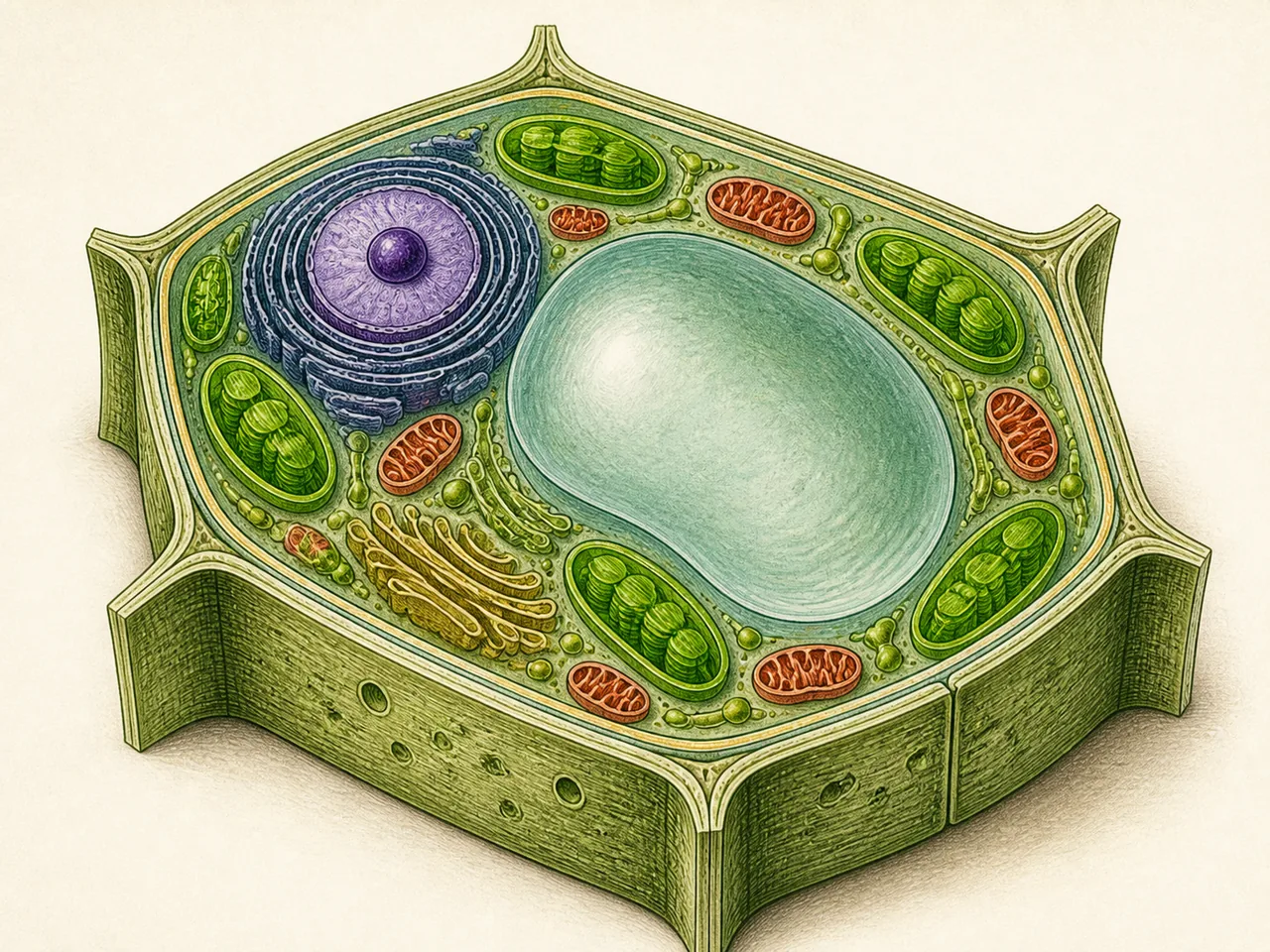
Rotate, section and isolate cell structures, then compare plant and animal cells to connect their structures with their functions.
Read introduction →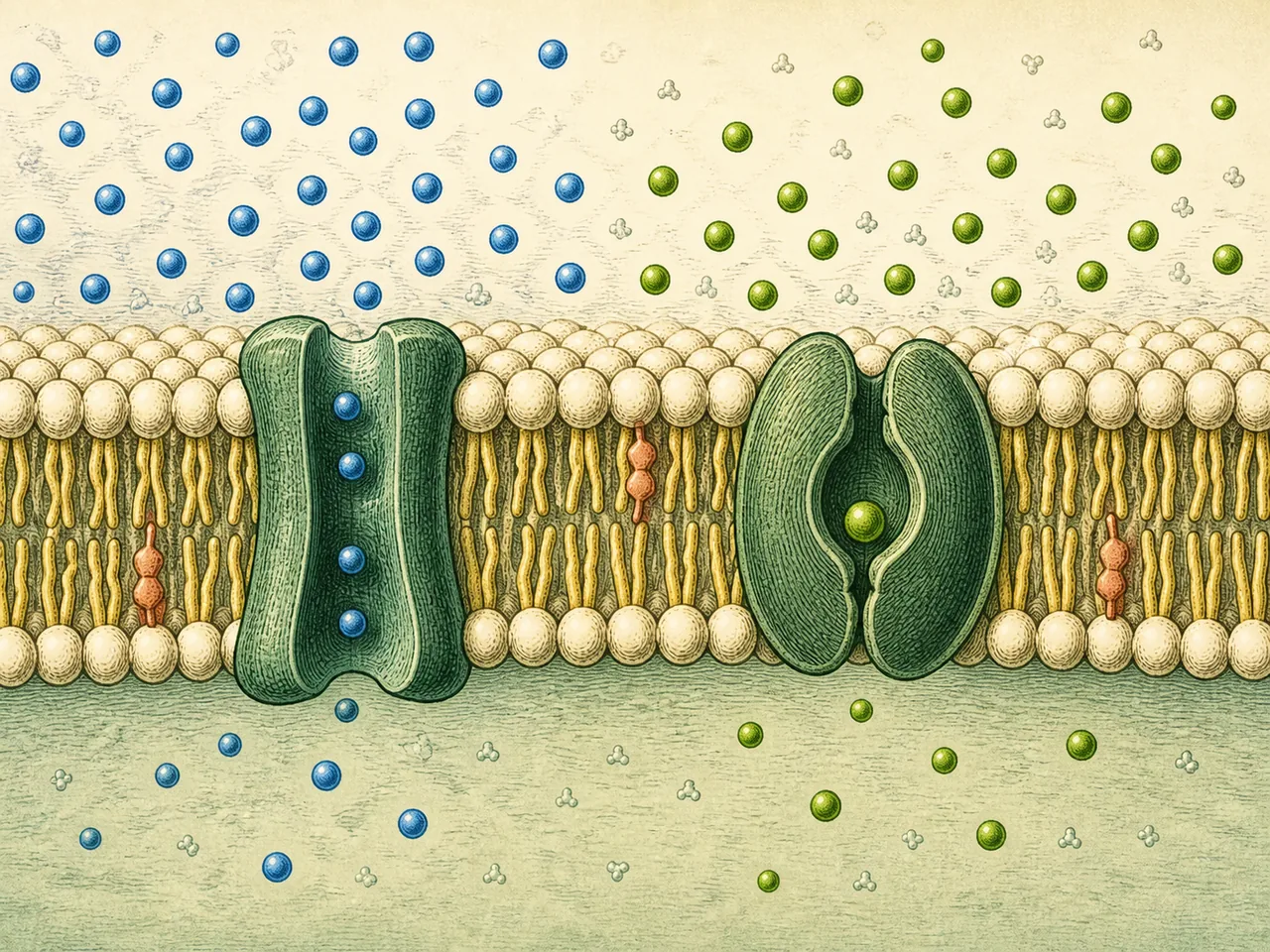
Explore phospholipids, the lipid bilayer and membrane fluidity through a rotatable, step-by-step 3D model.
Read introduction →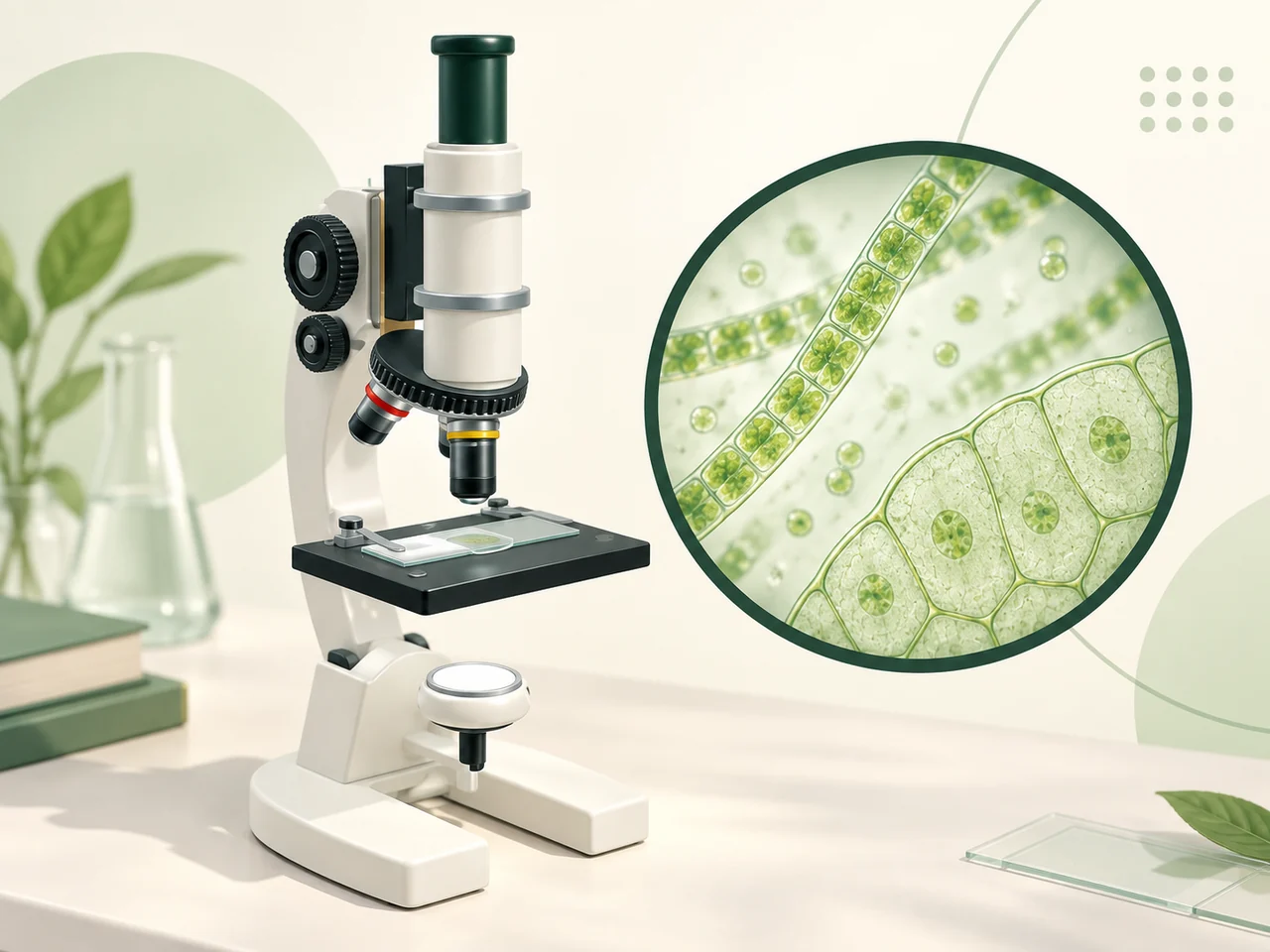
An interactive 3D microscope lab for identifying parts, coarse and fine focusing, changing magnification, adjusting illumination and aperture, moving the image, and exploring image orientation.
Read introduction →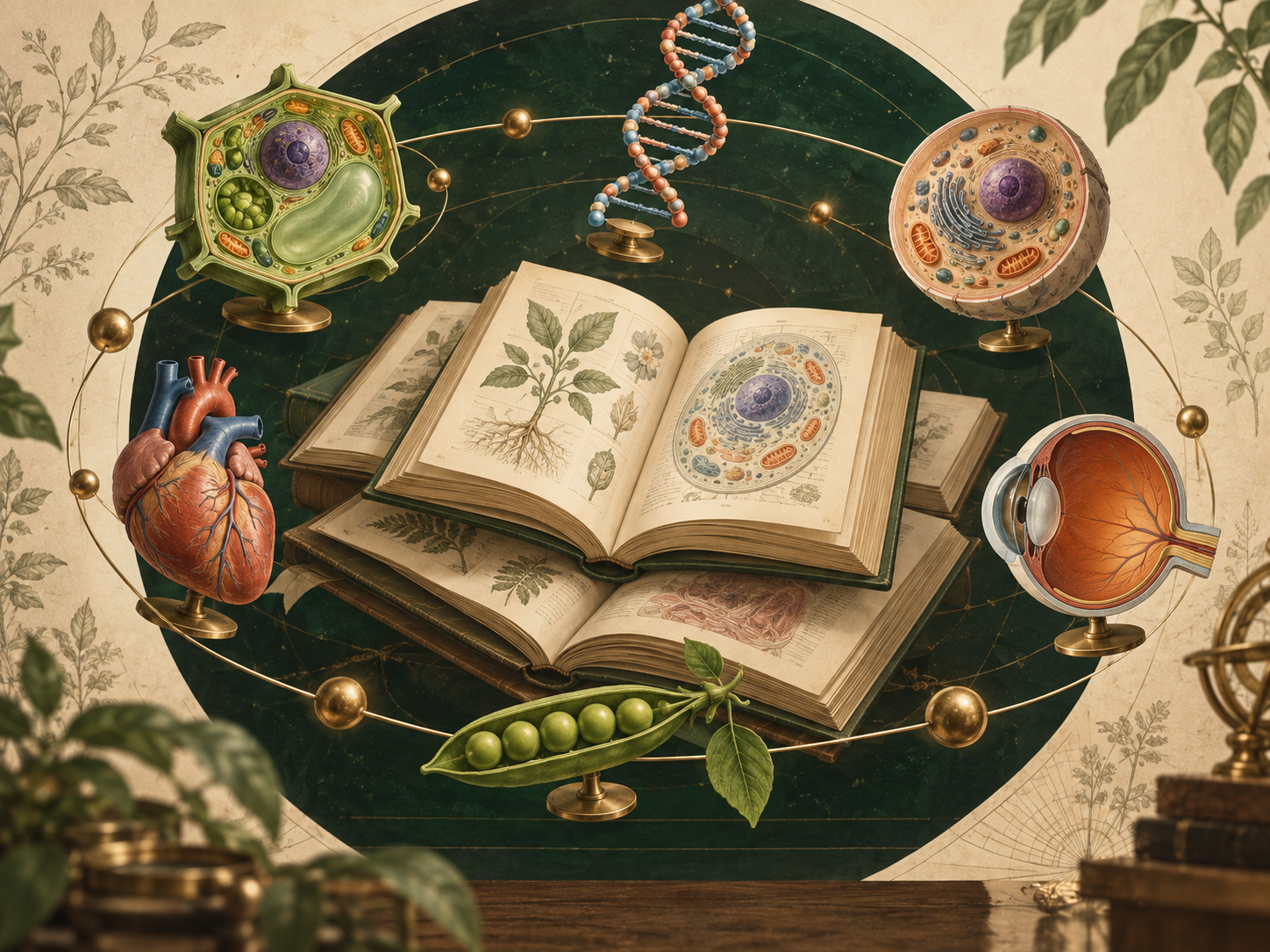
Find biology models by teaching level and topic, then rotate and zoom them in an observation workspace and view their descriptions and review status.
Read introduction →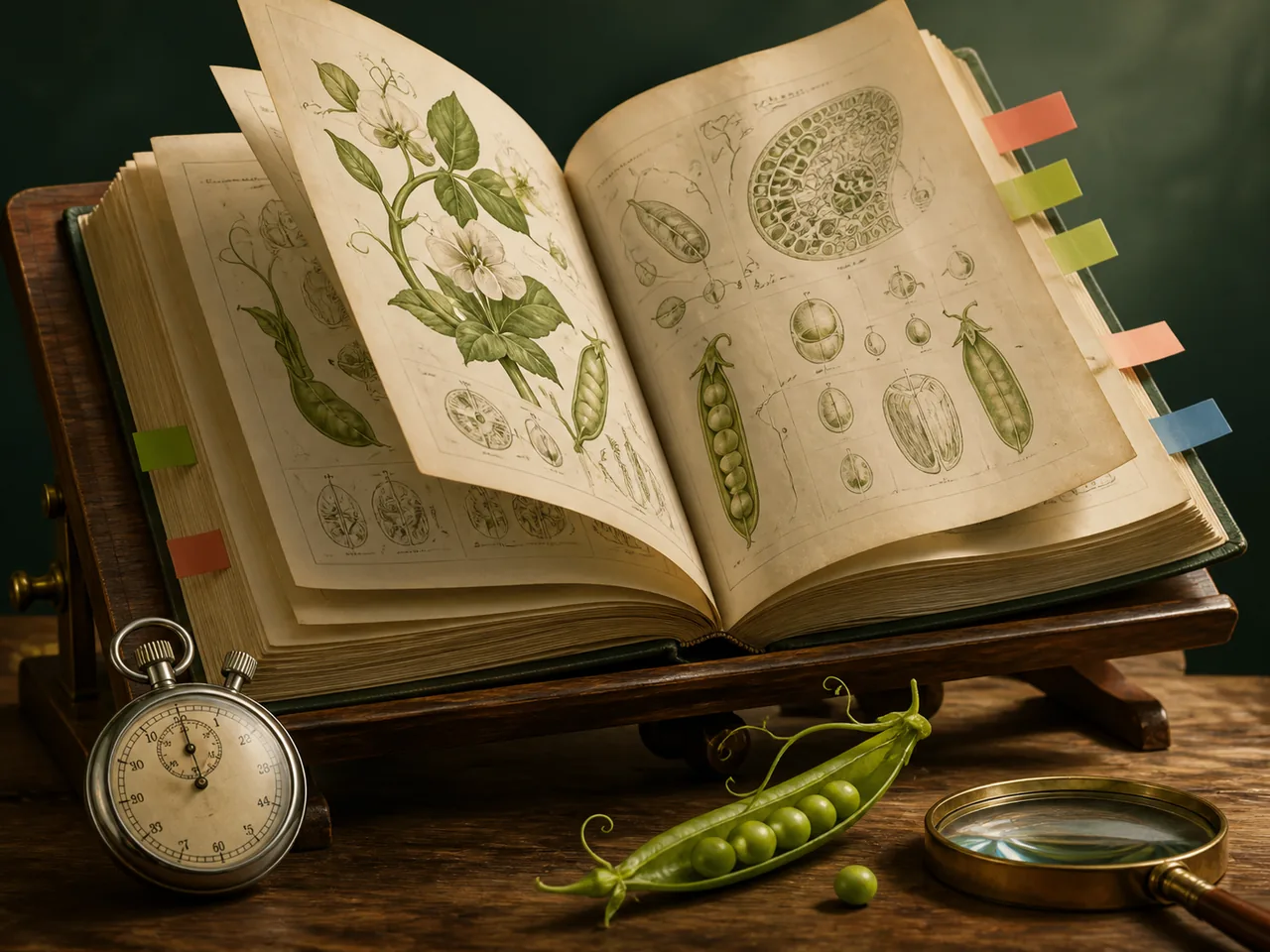
Filter 335 textbook statements across five volumes, with a timer, automatic reveal, and click or swipe controls to reveal page numbers.
Read introduction →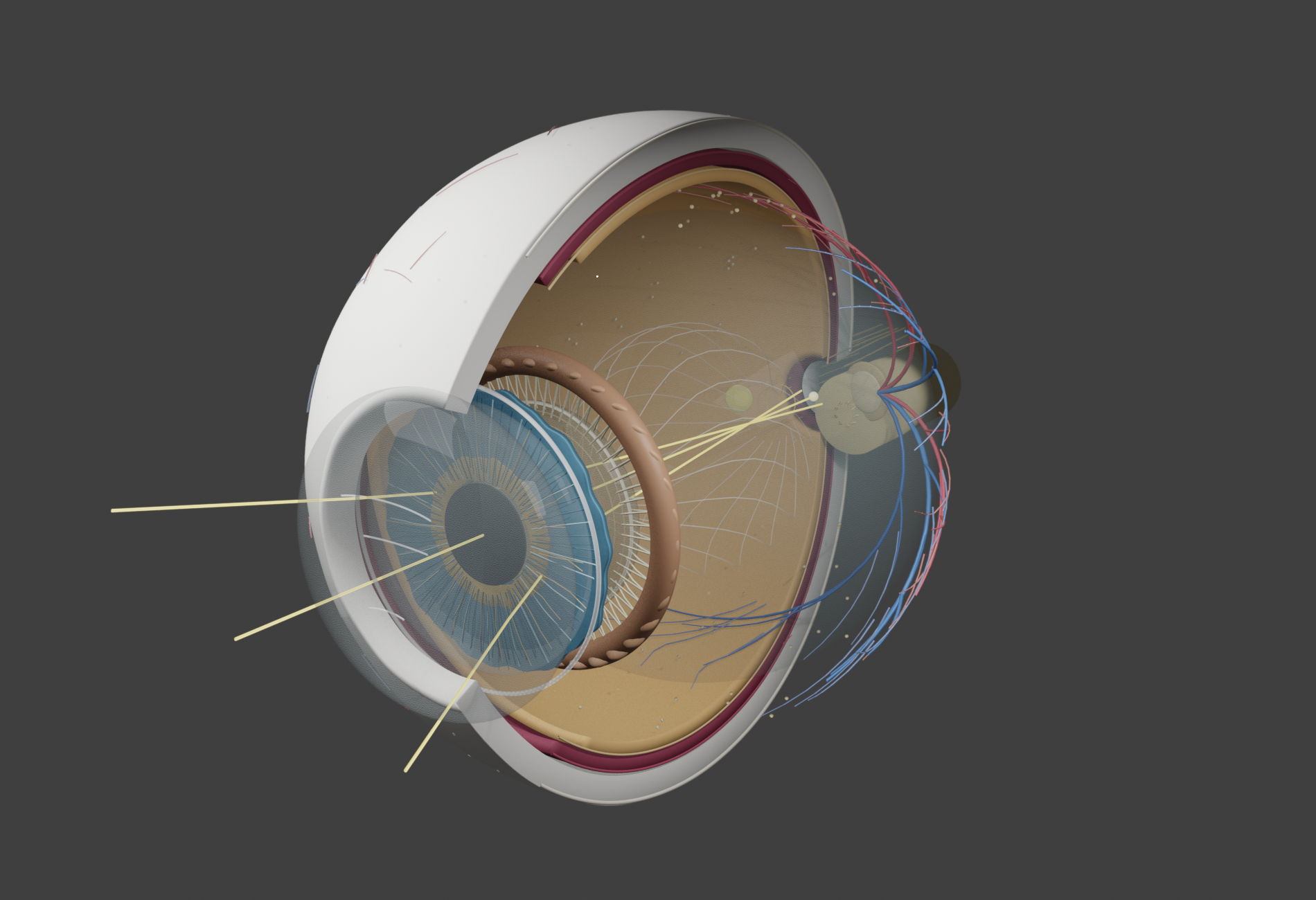
Explore a full cross-section with 16 types of interactive structures. Use a fixed image plane to compare normal vision, refractive and axial myopia or hyperopia, and their correction.
Read introduction →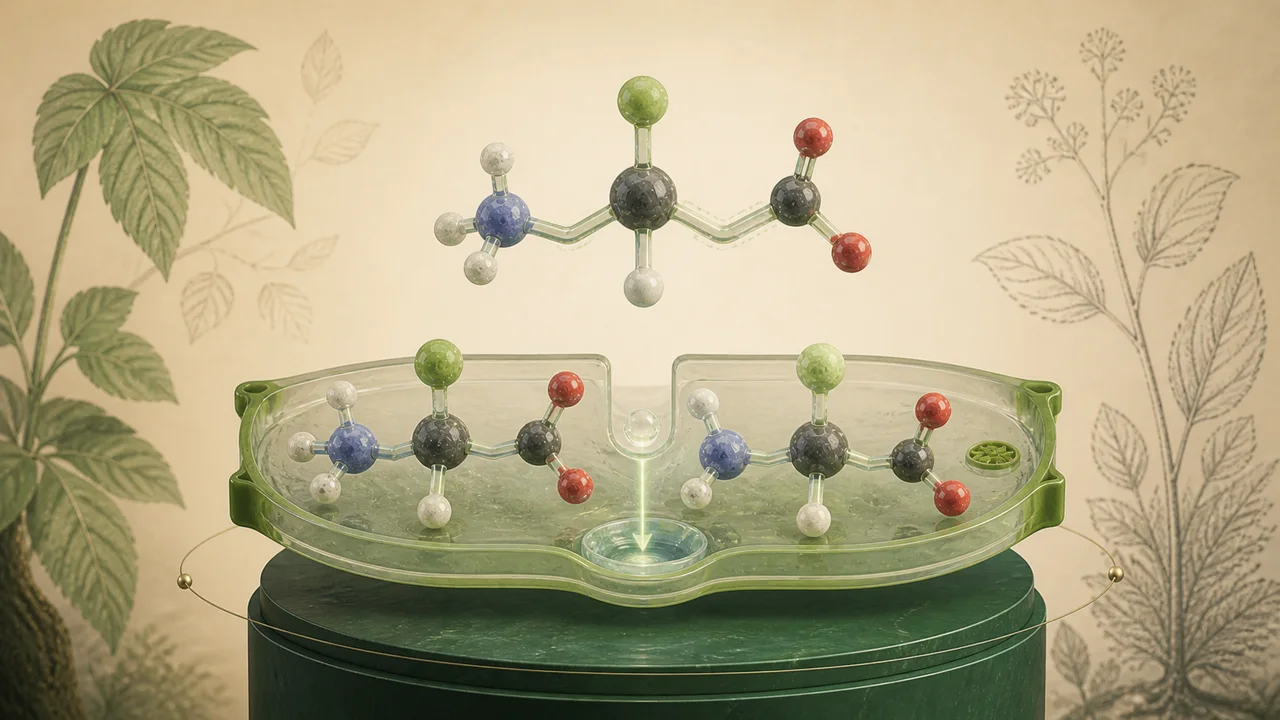
Build amino acids, identify the amino group, carboxyl group and R group, observe peptide bond formation through condensation, and explore levels of protein structure.
Read introduction →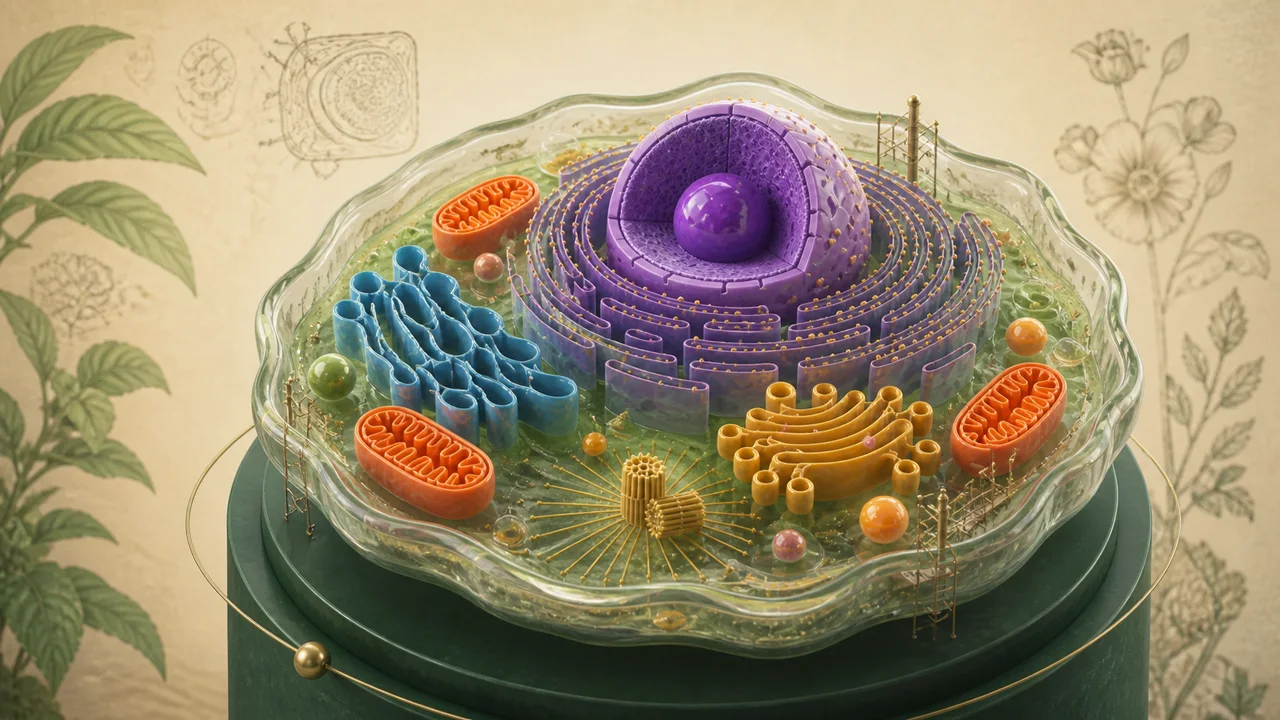
Find nine glowing hotspots in an animated animal cell, where personified characters introduce organelle structures and functions.
Read introduction →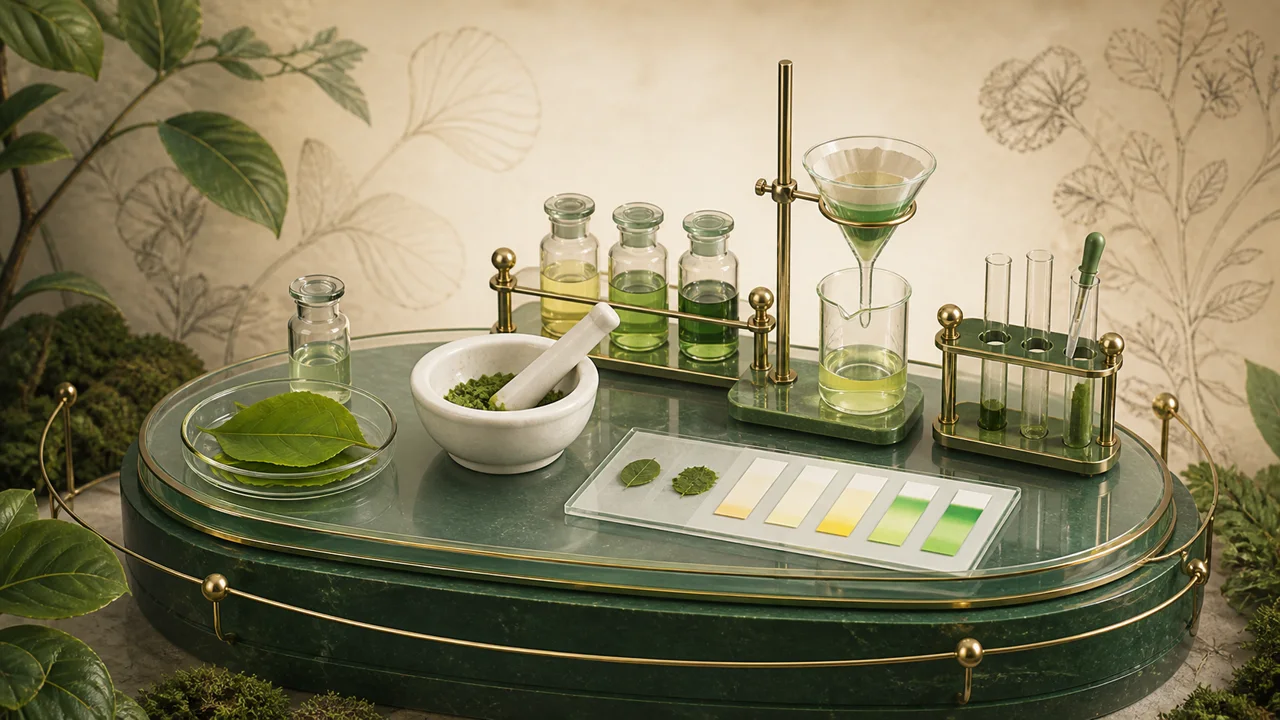
Use a rotatable 3D lab bench to select materials, add reagents, grind, filter, apply repeated sample lines, run paper chromatography, and identify four pigment bands.
Read introduction →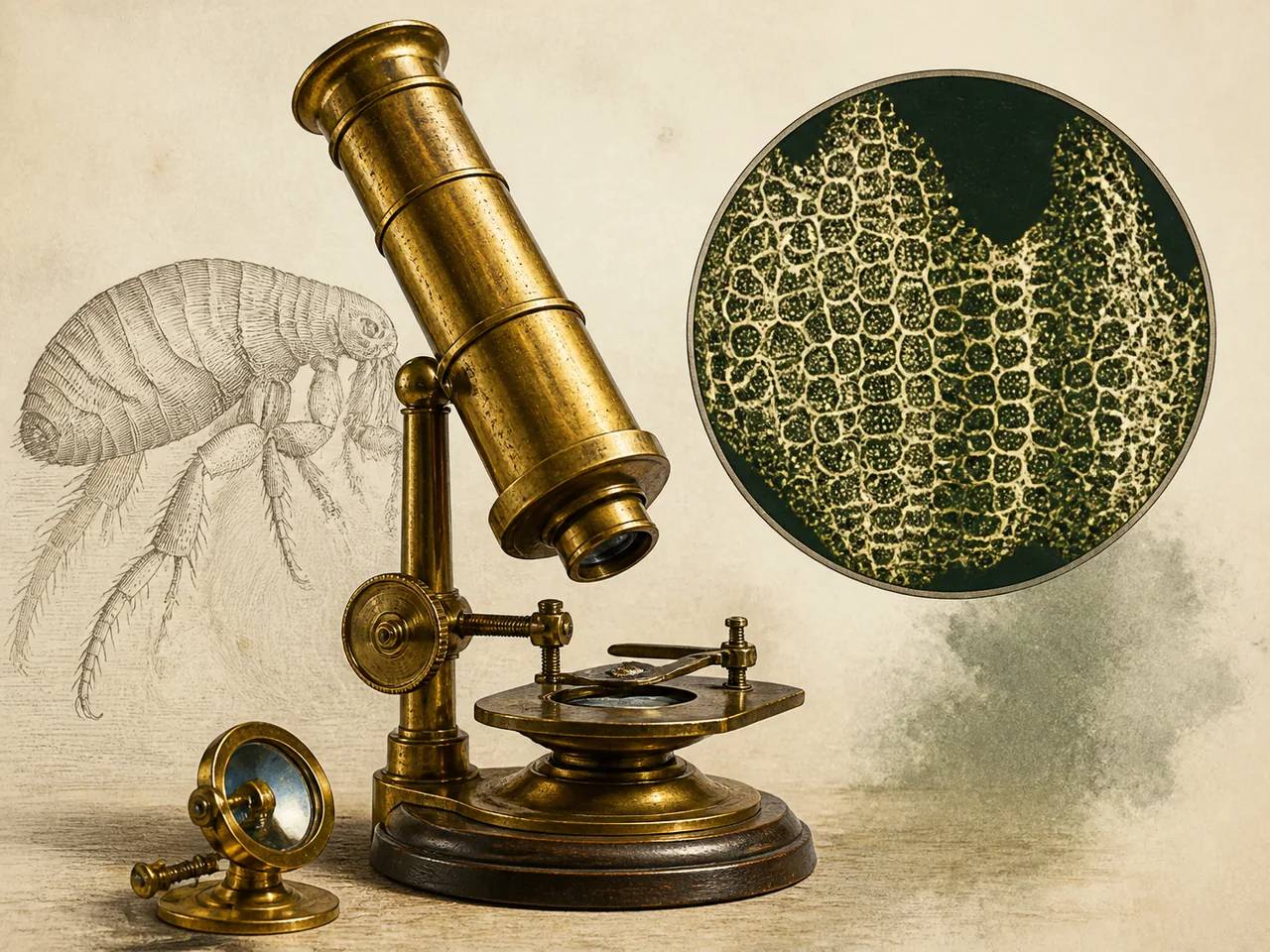
Read the history of biology through questions, experiments and evidence, following how researchers proposed, tested and revised explanations.
Read introduction →